|
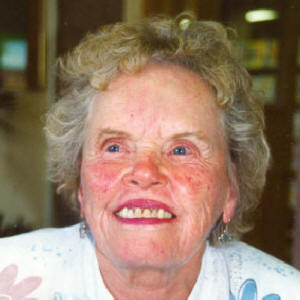
Carl L. Soderstrom
Interviewer Bob Hult May 17, 2002 I am with Carl Soderstrom in his home in Park County. We will be talking about his experiences in Park County over the years. Where were you born? Near Lamar, Colorado, in Prowers County, eastern Colorado. And that was in 1917? That’s right. September 8, 1917. What were you doin? Did you live in Lamar in that area for a number of years? My father homesteaded a piece of ground or took over homesteading a piece of ground that his brother had homesteaded and turned it over to my dad. We lived on a dry land farm for, I think, 23 years down there. So the first 23 years of your life you were on a farm in the Lamar area? In Prowers County. Did you go to school there? Yes, a one room schoolhouse a ¼ of a mile from where our house was. Of course, it’s long gone. The most students we ever had in the school, I believe, at any time was 27 students. Was that one through eighth grade? Yes. I made such a ruckus with my parents when I was five years old that the teacher persuaded them to let me start school when I was five years old. Consequently, I finished the eighth grade when I was eleven and a half. I took the eighth grade twice. So I actually was out of school when I was 13 years old. So that was as high as you went – as far as the eighth grade? That’s my education. 8th grade. What did you do when you got out of school? Mostly picked up whatever little odd jobs I could find, worked on the farm for my folks, which was a hard scrabble deal with the drought and dry land. Trapping fur, bringing animals and things like that. Had very little. We just got hand-me-downs from relatives that lived in Denver occasionally and that was the biggest thing of all at Christmas. What kind of crops did you grow? Various grain crops. Corn and like milo and Sudan grass and sometimes we grew a good watermelon crop for a low area where there’s plenty of moisture. You were dependent on the rain of that particular year? Exactly. We got possibly what we called a bumper crop once every six or seven years. Otherwise, it was just scratch. So you existed off of what the farm produced for the family? Right. We had a number of milk cows. We learned to milk cows when we were five or six years old. Consequently, became experts milking by hand. One of the things we had to watch out for the most was rattle snakes and how we managed to live through that whole period with four kids as long as we were down there that 27 years and never any of us ever got bitten. We were very fortunate. You went through the Depression when you were on that farm? Right. I was ten years old when I think the crash started or when the market crash came in ’28 or ’29. Then the Depression came after that and then the dust storms followed that. The dust storms were something that were really phenomenal. The first one that came was what they called the “gold dust storm”. It came out of the southwest or southern direction, they said out in New Mexico. It was actually like more of a gold atmosphere. And then a week later perhaps then the storm would come out of the north or northeast and blow back the other way and it was more or less gray/black. The worst one they ever recorded was in February, I believe, in 1935. They called the “black blizzard” which lasted three days. You were on the farm at that time? Yes. That was before we left. How did that affect your parents’ ability to farm? Well, it’s something you learn to live with. Sand blew in fences where thistles had lodged and there was banks of sand three to four feet deep covering barbed-wire fences. My dad was smart enough to raise the wires on his fences so the thistles went through to the neighbors. He didn’t have to pull the posts up but many farmers had to pull their posts up and reset it to keep the range cattle out because that was range cattle country and wild horses running around. So they could get into the farmed area? That’s right. So you survived that period of time. Did you actually grow crops during that period when you were at the height of the dust storms? Oh, yes. We’d get rain at different times. There were periods when the dust wasn’t all that bad. But during some of those big dust storms, why, one time the Lamar Daily News came out with a big headline, about a two inch headline, that said “Six inches rain fell in certain parts of Prowers County” and then it went on to say the drops fell six inches apart. That was common. We had two terrific cloud bursts. One in 1933 and the other one in 1936. The total rainfall and hail in those storms was six and a half inches in just under an hour. The whole prairie more or less, flat country moving with thistles floating and rabbits. The hail killed lots of rabbits and it just looked like the whole countryside was moving. Now, hail would wipe out any crops you had, right? Oh, yeah. It demolished all of the crops but it was in August and so a lot of weather conditions were right but all the rain had soaked up the fields from that tremendous rain. We had about as good a crop that year as we ever had but no grain. It just grew up as fodder for livestock. So, after that period of time did you leave the house or family homestead at that point? The first storm came in 1933 and the last one came in 1936 after we had decided to come up here and made arrangements to come up here. We had our farm sale and the same day that we went in and settled up with the auctioneer and the clerk with the sale a big storm came, the last one, and it lasted about an hour and there was some hail in that as big as softballs. My dad was disappointed and said, “Yeah, and now we’re ready to move here. Now the drought is over we can manage it.” But it didn’t end the drought. It was just one of those big tornado type storms. No tornado that I know of but anyway it was tremendous. That was east of Lamar and north of where we lived. Northeast of Lamar. Did your father sell the farm at that point? No. We retained the farm. My sister was persuasive in that because she had come up here to Bailey and had a job in 1935 at Silver Spruce Guest Ranch. That’s where Lab School is now. That’s how come she found this piece of property. It was for rent and persuaded us that if we wanted to get out of there, my Dad’s health was failing. He had silicosis from mining and the dust wasn’t helping him any. So he came up here and he recovered considerably. My younger sister then she came up here and worked up there a couple three years. My older sister went to Denver and got a job there. So the family farm did sell? Later on, it was turned over to my older brother. In those days, you always considered the older. We divided from the farm that we sold down there and I forget how much it was that each of us got. Maybe $250 each. It sold for about $850 or something like that, eventually. Did any of your other brothers or sisters come here? My younger sister was here and then when I came here the Eos’s moved us up here in 1936 and I worked for him at the sawmill for four years and, of course, we cut various types of lumber and everything, especially railroad ties for the Narrow Gauge Railroad. Where was this mill located? In Jefferson County, about three or four miles from here and in Buck Gulch. I worked for him for four years and then I went to the Army. When I came back he already had his crew of people working there so I didn’t get a job with him after that. When you first came to work for him, how did you know him? My mother’s sister had married my Dad’s brother and my Dad, after he quit mining, he went to visit there and, of course, my mother was there visiting her sister. That’s when they got acquainted. My Dad mined all over the mountains. He was a hard rock miner for gold? Hard rock miner and prospecting and all that kind of stuff. He worked in Silver Plume near Georgetown and Ouray, Telluride, Creed and he was in Creed at the time that Bob Ford got shot in the back by Kelly. That was in the 1880s. Then after he mined around Colorado he went to Nevada and prospected and mined out there in different places, Tonopah, Goldfield and another little town called Weepah and we had 15 or 20 gold certificates of money that he had invested back into the mine to get a break in case they struck it rich. It never happened. So, you moved here in 1936 and worked for four years at the sawmill? What kind of work were you doing at the sawmill? Cutting timber, working in timber, all by hand. Did you use buck saws or two-man bow saws? Two-man saws, just regular ribbon saw they called it. And then ax, of course, chainsaws didn’t come in until in the ‘50’s. So, you would drop these trees. How did you haul them into the sawmill? We’d buck them up to the length that could be handled in the mills and had us a good horse, had us a sled with steel runners on it. Put on the logs from a tree and the horse would take it down the path to the loading dock where we’d put it on a truck and haul it to the mill. Just plain old hard, back-breaking work. Was it leased land? No, it was national forest. So, would you get a permit from the national forest? Eos negotiated that and then we used to haul gasoline up for the sawmill and the power plant for the sawmill to start with was, I think, a Studebaker 6 or 8 engine. So it wasn’t a big diesel like it all went to eventually after they got going on that. We used to load three or four 55 gallon drums in the back of the truck. You’d take a load of lumber down and so forth and then we’d fill those drums with gasoline and haul them up and wrestle them off the truck and have our gas supply. I mean, it was just down to earth work. You did this year-round? Yeah. So, in the winter months you’re outside working on these trees and hauling them into the sawmill. Did they stack the wood to dry it or how did they dry the lumber? Yeah, we used to stack it in sizes of lumber. If there was 1x6’s, 8 feet long, we’d make a stack of that and we used 1 inch, what they called edging strips, put in between the boards so that the air would go through. Then there were different lengths and, I think, about the longest length we sawed mostly was up to 12 feet. Occasionally, if they had a bridge or something like that, we’d saw bigger timbers. But there were pretty good-sized trees. Average trees, I think, run probably around 14 -20 inches but sometimes you’d get one that might have been 2 ½ feet. That’s quite a log. Were these Spruce or Ponderosas? Well, Douglas fir and Ponderosa and no aspen that was used. In those days aspen didn’t amount to anything. Now you said the purpose of this lumber was primarily used to serve the railroad? Well, not the lumber. He actually set up planers to make log siding and that’s where the log siding got started. He was the machinist from a job he had in Rockford, Illinois. He got hurt there on a job and they terminated and gave him, I don’t think he had a pension, but I think they paid him off. They figured his work was over. When he came out here he was the hardest working man that had ever hit this country. When did he start the mill? In 1934. He first set it up. I was here and helped him get going especially the planing. He had the knives for the planers made up and everything but I finished them off to make the log siding. What was his full name? Eric Eos. He went by the name of Eric Eos. He lived to be, I think, 96. So, he died several years ago. The boys now, let’s see, Alan is 70. Alan will be 70 and his dad was 96 when he died probably three or four years ago. Where were you living at the time of 1936? Here. So, you were here right off the bat. Not right here, down below here. So, you had to get to the mill which was some distance? We had a 1929 Plymouth, 4-cylinder. We bought that down in Lamar and the same day we bought the car and came home ran into this tremendous hail storm that I told you about. It punctured a couple of holes in the cloth top of the car and, in those days, there were slats on top and they were padded and it punched a couple of holes through the car. But the wind blew so hard from the east in that storm, which was the heart of the storm was east of where we had to drive, that when the ground got wet you could feel the car slide. It almost slid us into the barbed-wire fence. That must have been a terrible storm. Oh, there are some wicked ones down there. It’s strange, though, all the time in the 20 years that I lived down there, I was 19 almost 20 when I came up here, but in all the time I was down there, we never had a tornado. In the last couple of years, I hear the reports of tornadoes and they’ve had three down there last fall that went through our property, right in that area. Kiowa County. Who knows, Mother Nature does strange things. We have to abide by what’s going on. What was Bailey like in 1936? Well, we really didn’t get acquainted too much with people there at Bailey because we didn’t have money enough to do a lot of things. It was just a small town. A country store and there was a couple of saloons, a gas station and a plant for gasoline. The railroad had built a place up on the hill above there called the Kiowa Lodge. It burned in 1935. There was a house where the Knotty Pine Gift Shop is now, where I call it my stopping off place. It’s a watering hole for the Old Codgers. I’m the last one. Is that what people do? They still go there periodically? Oh, yeah. Not every day. Really? That’s 8 ½ miles from here. Interesting. That road isn’t the greatest road in the world, it’s kind of washboard. Well, you should have seen it three years ago, if you think it’s washboard now. They’ve put this magnesium chloride on it. They rebuilt it two years ago and it’s perfect now to what it used to be. In 1936, Bailey had a few stores. Did you get your groceries from Bailey? Yes. At McGraw store. What year did you get married? In 1948. When I came back from the Army, I got back in ’46. My dad was in pretty poor health. As a matter of fact, the Red Cross got me back from Europe. I was in the Army four years. It seemed like it was longer than that but anyway, I got home. I went in in ’42 and I got out in ’46. So, you were here from ’36 to ’42, in this house? Yes. Were your parents here at that time? Yes. When I went to the Army, I could have gotten out of the draft if I had taken care of my parents but my sister said that dad was getting old enough that it would be difficult for me to see to all their needs. My younger sister went down to finish high school in South Denver and then she went to DU after that. My older sister was working for a family of a man that worked for the post office. She had wages and so forth. And they managed to get enough money to buy a little house in Englewood in 1942. They’re still living in it. They each have their own apartment. They never married. Was there any recreation that you enjoyed? Well, on Sundays, gasoline was so cheap then, 11-12 cents a gallon, and we had a lot of friends in Denver and we used to go down to church south of Denver. My brother was down there working and he got married down there. I don’t remember exactly when it was but, anyway, we’d always bring produce from the farm. We had milk cows and Mom would bake bread and make butter and we used to grow a beautiful garden. In the summertime we’d go down there and have our friends down there. That was quite an outing to go to Denver from here. Well, in those days, it was a two, two and a half hour drive. The old original Bailey road where Harold Warren lives was the original 285. It was completed to Bailey in 1935. The railroad was still running in 1935? That’s right. In ’36 it terminated and in ’37 the track was taken out. I think the last run was in ’37. I have a tape of that. It followed the old 285 route? Well, the old railroad bed. Now, where 285 goes on up past Tripps’ why, they started in 1938 the highway on up the river after the railroad went out. They took the rails out and sold them for the Army effort eventually, I guess. They took the rails out. The Army didn’t need it until the war got serious. But, anyway, in ’38 I was working with a friend as a helper who was driving the bulb truck for Doc Bell who was the Deputy Sheriff up there and that’s where Bailey Propane is. That used to be Bell Oil Company and they had Conoco stations in town and the bulb plant down there. Bob Drooley is the manger of that bulb plant yet and it’s still the same as it was originally. Where was the post office? In the grocery store. In the ‘60’s they built the new post office where the Flume office is now. That’s the second post office and now the new building is there. Working on those big logs and doing everything manually had to be a lot of back-breaking work. Were there injuries in doing that kind of work? Not that I know of. There were problems with hard work and stuff. One of the difficult things was we used to have a lot of snow in the wintertime, and still do at different times, but the last few years haven’t been that way. One thing we had to watch out for in hauling logs in the winter or in the spring when the thaw came – it would melt and if we got on the dry ground and next to the snow where it was melting, we could drop a wheel down to the axle then we’d have to unload our load and get the truck out and then re-load. That stuff went on considerably. We tried to watch it. Did you have a tractor that pulled the wagon? No. We just had a truck. We loaded it all on the truck so we’d have to unload the truck and then we’d get the truck out. I set up my own sawmill when I got back from the Army and did my own logging here. I had my sawmill down below here. You got back from the Army in ’46? Yes. February of ’46. I came up here with Pete Smythe. He used to have the East Tin Cup Colorado out there by Golden. He died last year, recently anyway. But he owned River Cliff Ranch, where I met my wife. Why, she and her sister was there as help at River Cliff. That’s where I met her. Then they went back to Connecticut where their home was and their mother was having difficulty with their dairy. She had a dairy out there and the guy wasn’t handling the cattle right so they persuaded me to go out there because they liked me and thought everything was going to work out and that’s how come we got acquainted and decided to get married. Well, it didn’t end up as well as it should have. You married in ’48? Yeah. Was the ranch where she was working an operating ranch or a guest ranch? You mean their mother? She owned the property. Her house was a 200 year old Colonial house. 21 rooms. Her job was tutoring diplomat kids that came from foreign countries here to the United States. That wasn’t too far away from Washington D.C. She had the facility and education qualities to take care of those kids that would come with the delegates from other countries. The worst winter they had out there in the east, Buffalo, New York, is one that had the deepest and the most snow. The biggest snow they ever had in that area was in 1888. And in 1948 was a duplicate of the 1888 storm. There was snow mounted up to six feet deep over the winter. You could ski across the rock fences. All the fields were cleared of rocks and they had fences four feet wide and three, four or five feet high. And at that time they were just getting started with rotary plows back east. You’d drive down the road, you could be 10-20 feet off the side of the road and you couldn’t see a car, they were in the trench of snow, it was that high. It was like Trail Ridge Road when they opened it up. Where were you actually married? What location? Woodstock, Connecticut. Did you come back here to this house? Not at this house, no, down below here. The old homestead house in Park County. Since I couldn’t go back to work in the mill with them, they had their crew and everything. When you went to serve in the war, there was no requirement that they would provide a job for you when you came back after the war? No. So, you were on your own when you got back. Strictly on my own. I have been all my life. It’s interesting when you served the country to that extent, during a war period, you would think that the government would have seen to it that you would have an opportunity to at least have gotten back the same job when you left. I think one of the difficulties there was, with my meager education, with an 8th grade and just being a farm kid, not having all the knowledge that comes with going to high school and all that learning more. My brother, I didn’t mention it, but he lost a leg under a freight car on the railroad train. When he was 19 years old, he had gone to California. My mother’s friend wanted him to come out there and help them run their chicken farm. Well, he got out there and they had a few laying hens and that’s all it amounted to. And then they didn’t have any money to get him back home so he did like the rest of the hobos during the Depression. See that was in 1933. He got run off the train going into Winslow, Arizona, and it went through town and then when the train pulled out again headed east, why then whoever the hobos were, and he was one of them, he grabbed the steps or the ladder on the backend of a car. The train was moving probably 20-25 miles an hour. See, his weight carried him around and broke his hold and he fell under the train. He lost one leg and his heel was damaged on the other foot. After the train went by, of course, then he crawled across the highway and somebody seen his problem and they got him to the hospital. The Santa Fe railroad took care of all of the expenses when they seen what the circumstances was. They took care of all the expenses. But here’s this young man, 19 years old, and things do happen. You used the term “hobo” which is odd. I’ve heard the term but you don’t see it being used much. Barbara mentioned it, too, several times during that same time period. A lot of people were displaced and they moved by train or sometimes by car, hitchhiking, but they’re all called “hobos”. Do you have any idea what the origin of that word is? Sure, it’s people who didn’t have a job. They were displaced, moving place to place, and there’d be a bunch of them, a group. Sometimes, they’d have fights, I guess, because they opposed each other. And they’d go from place to place and they had hang-outs in different areas that they’d go and they knew there was stuff for them to get. The people would take pity on them and they’d get food for them and everything else. Boy, one of the things I was impressed with, had never seen before and never even heard of it till just recently, and that was the orphan trains that shipped orphans out of New York City in the 1920’s. Tens of thousands of them to the mid-west and west of the Mississippi and put them on farms. People were wanting kids to help on the farms and to raise them and so forth and here’s these kids with no homes and everything. They were just all over the streets in New York. These weren’t infants? No, these were kids of primary school age. 8, 10, 12, 14 years old. They said the last orphan train was moved out of New York with the last 10,000 orphans in 1927. I had never heard that in my whole life until just about two weeks ago. 1927 was about two years before the crash. That’s right. Interesting, I’ve never heard of such a thing. What kind of work did you find? You couldn’t work at the sawmill anymore so what did you do for a living? Well, I had some money left. I got some mustering out pay from the Army when I got out of the Army. It wasn’t a whole lot but it took care of whatever was going on. It’s been so long ago, and things that haven’t stuck with me that well. I can’t remember all of the things that happened. I decided the only way I could make a living here was to get in wood products. I started cutting wood and selling wood for Buffalo Creek and Pine and places around. I don’t know if I sold any to Bailey or not. Was this dimension lumber? No, firewood. See, you’d pick a lot of what was called “pitch wood”, lodge pole and whatever you could cut, you know, and I had plenty of it on my place. 120 acres. I’d cut a truckload of wood, which was two cords, deliver to there and unload it, rack it up for $8.00 a cord. This was in 1946-47 time frame? Yes. Did you have to split it? Yeah, and those splitters were with a wedge. You did it with a wedge and a sledge hammer? Yes. Did you do that year-round? Well, off and on and, then, of course, I had the opportunity to buy a little sawmill from a guy. It was called Bell Saw. It didn’t have a power feed on it, it had a crank on, that you would crank it through. The sawmill had a crank on it? No, no, the carriage that you run the log through, and I had a Buick engine and I had that with my power plant. It was slow going but I sawed the logs and I don’t remember whether I furnished logs for the Community Clubhouse up at Shawnee, the VFW home up there, on that mill or after I got my other mill. After a time, I bought the, I don’t know if you’re acquainted with the name “Gardner” up in South Park? Anyway, they had a big ranch up there and had a big sawmill and done a lot of sawmilling. I bought their sawmill and they had a big tractor engine up there called a “10 Ton Monarch” and the tractor, I guess, must have been that because the engine, I think, weighed almost two and a half tons. The engine weighed that much? Yes. Was it a gasoline engine? Seven and a half inch cylinder, gasoline. I brought it down here and set it up. It took me a month or so to get it going and I done pretty good making logs and so forth with that. Were you doing this by yourself? Yeah. Well, I had a helper. He lived up above Shawnee and he worked for me off and on and, of course, it was hard to get enough money to pay him but he wasn’t doing that much anyway. But, anyway, I got with the Forest Service and they sold me little spots of saw timber that nobody else wanted because it wasn’t enough for them to bother with. Then after four or five years of that, they shut me down because it was too much trouble for them to write up small orders so I was gonna have to put down $50,000 bond and, you know, all that business that goes with government. So that kind of put me out of business and besides that, in the late ‘50’s after Eisenhower was president, we had a recession and things went bad and that’s what sealed my destiny. They shut down the sawmill for you? That’s right. Now, you lived here from ’36-’42 and then you came back in ’46? What changes did you see in Bailey or Park County in those four years that you were gone? Well, there was different businesses that came in and took over and there were changes made and really I was not that involved with the community, things like so many people now have their meetings all the time and so forth and I never was good at that. I never did want to get involved in all that kind of stuff and I still don’t. But people like to come up there to Knotty Pine and get started up there. They’ll come there, even people who just come in for an ice cream cone or cup of coffee or something, and there’s other guys there and we’re talking. I usually have the floor and they’ll sit there and listen. Somebody’ll start asking questions. That’s the way it goes and that’s what I do all the time. Does the same family that owns the Knotty Pine, have they owned it for a long time? Yes, Barbara Pilcher is the owner and her husband and her dad, his name was Bill Peterson. He came up here from Littleton near Arapahoe County in 1970 and took it over. But, originally, there was some changes there. In the beginning of the war, during the war, I guess it was a hotel called the Salmon Hotel, the bridge people owned it and it burned. Right where the Knotty Pine is now? Yes. And then after that a fellow by the name of, I think, Meyers got the property and he built a pool hall and a bar and there was pretty raucous times going through there. There was one gal, I can’t remember her name now but, anyway, she used to ride her horse through there. Go in the front door and out the back and that was an occasion. But they had three pool tables in there, one was a snooker table, one was a billiard table and one was a regular pool table like what I have. You have a pool table here so enjoy pool yourself? I do. Anyway, they had that. There were different owners that owned that. I can’t recall the names, I won’t try to. Anyway, Bill Peterson came up here from Littleton and he took it over. His wife and he ran it and they had three girls. Barbara, the one that’s running it now, she was five years old when they came up here and that was in 1970. So we’ve been good friends ever since and still are. Do you go in there every day? Oh, she counts on me. I go in there and cheer her up because business is so poor now that it’s very erratic. Really, with all the traffic on 285? Well, the Knotty Pine is right on that curve and the big gas station is below there. One of the ironies of the whole is that Mike, her husband, at the Knotty Pine, is the only one in Bailey that sells fishing licenses. Well, people come by, they go down to the gas station, they got all the fishing gear and everything else. People go in there and buy what they want to go fishing and they can’t buy a license so then they come back up to buy a license. Well, there’s no profit in selling fishing licenses so Mike doesn’t have the opportunity of selling the fishing gear and he’s an expert on knowing where fish is and advised people a whole lot. Well, at the gas station, nobody knows anything. They just go in and pick up what they want. But, you know, it’s real disappointing, it’s just too bad that they’re right on that corner. I guess it’s just a bad location. Maybe they need to get a sign out or something. Well, they have but then the people realize that all I want is here at the gas station, I guess we’ll stop and get a cup of coffee or a drink or something. See they do have a place to refresh themselves in there and the bathrooms and everything. Of course, the Knotty Pine has, too, and they make lunches in the Knotty Pine but they don’t serve any real meals, it’s just snacks. And they sell a lot of ice cream. But that wasn’t there in the late ‘40’s when you came back? No. So, you still didn’t go into Bailey very often? Not very much, no. I had too much work to do and one of my favorite things, I guess, after my wife left, I got acquainted with, well, the Eos boys, I don’t know if they got me introduced to it or not, but I went down to a place called ???? which is down in Little Deer Creek Canyon. It goes into Denver from the south side. You can come out down there near the Martin plant and there’s a place up there in Little Deer Creek Canyon that used to be a big dance hall there. Used to go square dancing. That was my favorite pastime. I understand there were several dance halls in Bailey, in fact, above the grocery store. In the early days there was. That was before, I don’t think they were having them when, they might have had some, when we first came here. But they also, at the far end of town where the heating plant is, that big long, low swayback building, that used to be a big dance hall there. That used to be a big form of entertainment back then. Oh yeah, oh yeah. Well, that was just common with the pioneer stock, you know. That was their way and some of the old timers that I knew here said that there were times before they had automobiles, they’d come up here and they’d load up in the afternoon their kids, wrap them up in their wagons and maybe drive 25 miles to go there and they’d stay overnight on Saturday night and have their high time and go back home on Sunday, regardless, even in the winter time. They didn’t pay any attention to weather. 25 miles by wagon? That’s a difficult journey. Well, after all. You do what you gotta do. We’re so spoiled, terribly spoiled. Well, I’m so used to being here alone that I can adjust myself to most anything. Some people ask how in the world do you manage it? You came here in ’46. What did your wife do when she was here? She had been, I don’t know if she had got her teaching certificate or not, but she had done something with the Women’s Club of Bailey. That was the original. Mrs. Ava Thompson was the beginner, the originator of that club and my wife was a charter member. She had something to do with that but after she left me she got a teaching certificate in Idaho and starting teaching school which she could have done here, taken a refresher course. I think she was educated as a teacher. Was she used to being in an isolated place like this? No, actually, she came out here and went to Colorado College down in Colorado Springs. Then she got acquainted with the old man down there that ran the Broadmoor stables. His name was Bullock and he was a horseman and so forth and she loved horses. When she came out here, why nothing would do but that she made a deal with him and they agreed to get a horse from him and it was a good horse and one that she could ride and so forth and, of course, that’s the way things went. But it was a hard scrabble, I guess, and, of course, me growing up in the Depression and knowing what hardship was and everything, it didn’t affect me that much.
|